Paclitaxel is a key drug recommended in treatment guidelines for various cancers, including breast cancer, ovarian cancer, and lung cancer. However, it has traditionally been obtained in extremely small quantities from yew trees, often described as the "giant pandas of the plant kingdom." According to the figures cited in the original article, thousands of yew trees are required to extract just one kilogram of paclitaxel, while a single treatment cycle for an adult patient with ovarian cancer could require the equivalent of 30 to 50 twenty-year-old yew trees.
As a relict species dating back to the Quaternary glaciations, yew trees were once pushed toward extinction by destructive bark harvesting. Today, international trade in certain yew-derived materials is subject to strict regulations, while advanced extraction and cell cultivation technologies have long been concentrated in the hands of a limited number of multinational companies and leading overseas institutions.
This represents a typical technological bottleneck: on one side lies the enormous global demand from cancer patients, while on the other are the ecological limits associated with endangered plant resources. To strengthen China's healthcare security and pharmaceutical supply capabilities, it is essential to develop an independent answer to a fundamental question: Can paclitaxel be produced without relying on the harvesting of trees?
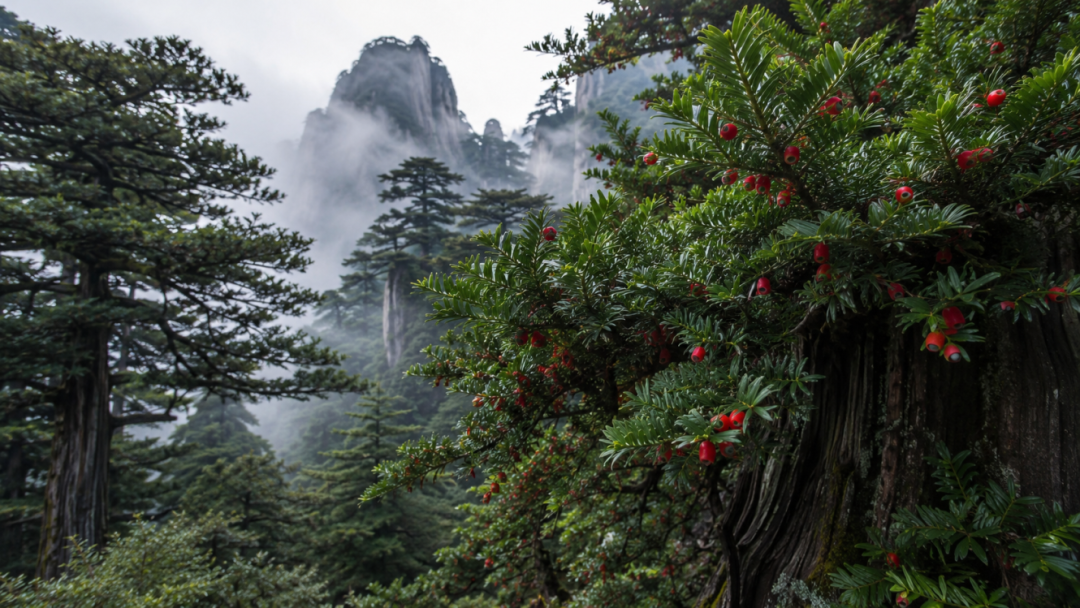
Plant Cell Fermentation (PCF) technology integrates key advances in cell engineering and fermentation engineering. It has been described as "one of the four crown jewels of biotechnology in the pharmaceutical and healthcare sector over the next 20 years."
Its core principle involves inducing callus tissue from rare plants to develop suspension-cultured cells. These cells are then propagated through successive subcultures in liquid media before being transferred into bioreactors with capacities of tens of thousands of liters, where they undergo fermentation to synthesize the desired active compounds. The entire process can be carried out without cutting down a single tree or cultivating a single acre of land.
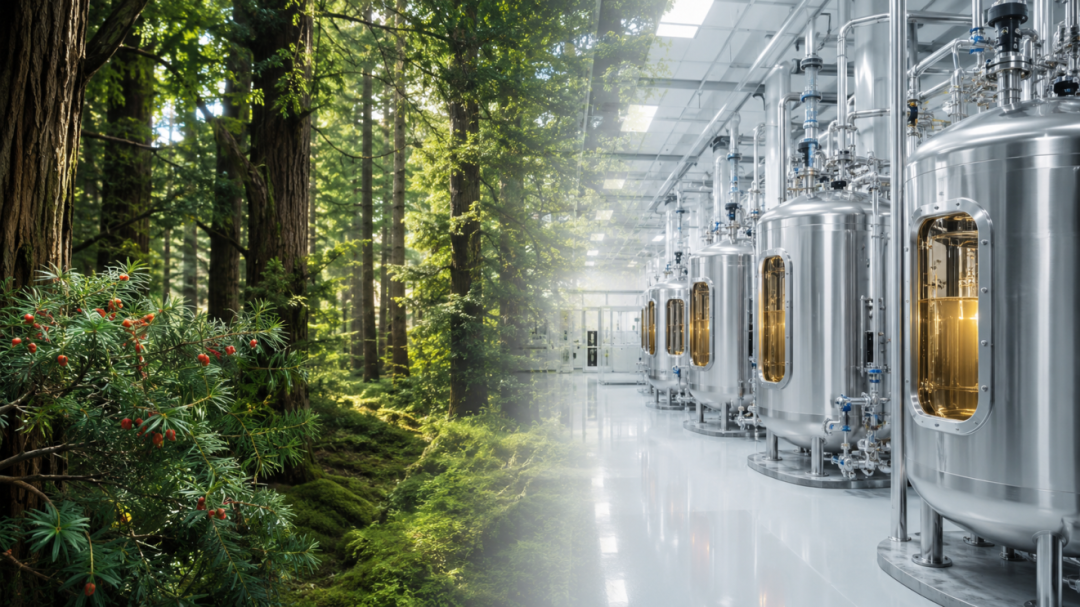
At present, German-developed technology systems are described as holding a leading position in the global PCF industry. They pioneered the industrial production of paclitaxel through the cultivation of yew cells in large-scale 75-ton fermentation tanks. Their process maturity, cell line stability, fermentation efficiency, and cost control are regarded as representing the highest international standards.
However, these core technologies have long been subject to strict confidentiality and limited technology transfer to China, with both cell lines and critical process parameters closely protected. To achieve an independent and reliable domestic supply of paclitaxel and other pharmaceuticals derived from rare medicinal plants, China must introduce, assimilate, and further develop advanced PCF technologies while establishing its own industrial-scale production facilities.
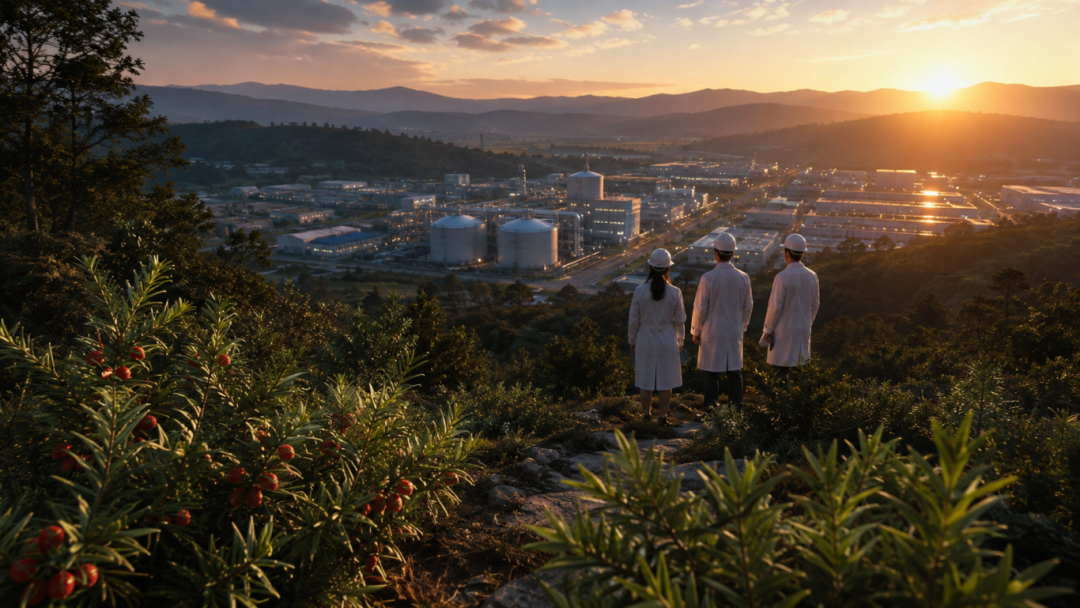
Langou Phyton (Jiangsu) Biopharmaceutical Co., Ltd. was established in 2021 as a joint venture between Shenzhen Langou Pharmaceutical Group, which has more than 20 years of experience in the pharmaceutical industry, and Phyton Asia, LLC, a U.S.-based leader in the global plant cell fermentation industry. The company has a registered capital of approximately RMB 430 million.
Phyton possesses patented PCF® plant cell fermentation technology and is among the few companies worldwide capable of using plant cell fermentation for large-scale industrial production. According to the original article, the company accounts for more than two-thirds of the global market for the anticancer active pharmaceutical ingredients paclitaxel and docetaxel.
Its technology was recognized with the U.S. Presidential Green Chemistry Challenge Award through its application by Bristol Myers Squibb. Phyton's core technological platform is rooted in decades of development and refinement of German PCF technology.
In other words, Langou Phyton has introduced world-class PCF technology originating from Germany and validated through its application by leading global pharmaceutical companies. Langou Phyton serves as the exclusive entity responsible for implementing this internationally advanced technology in China, as described in the original article.
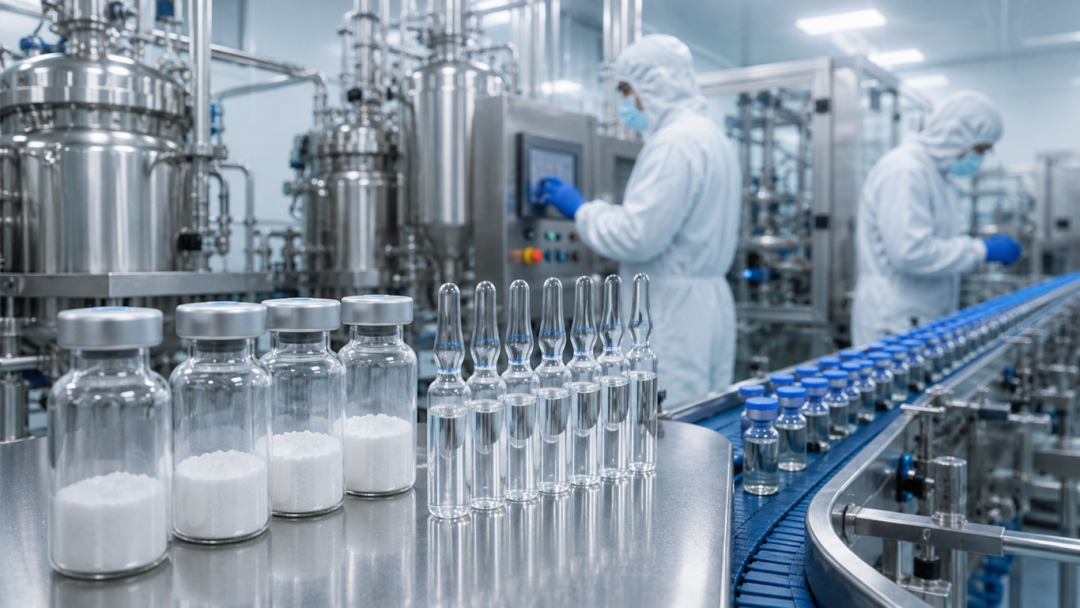
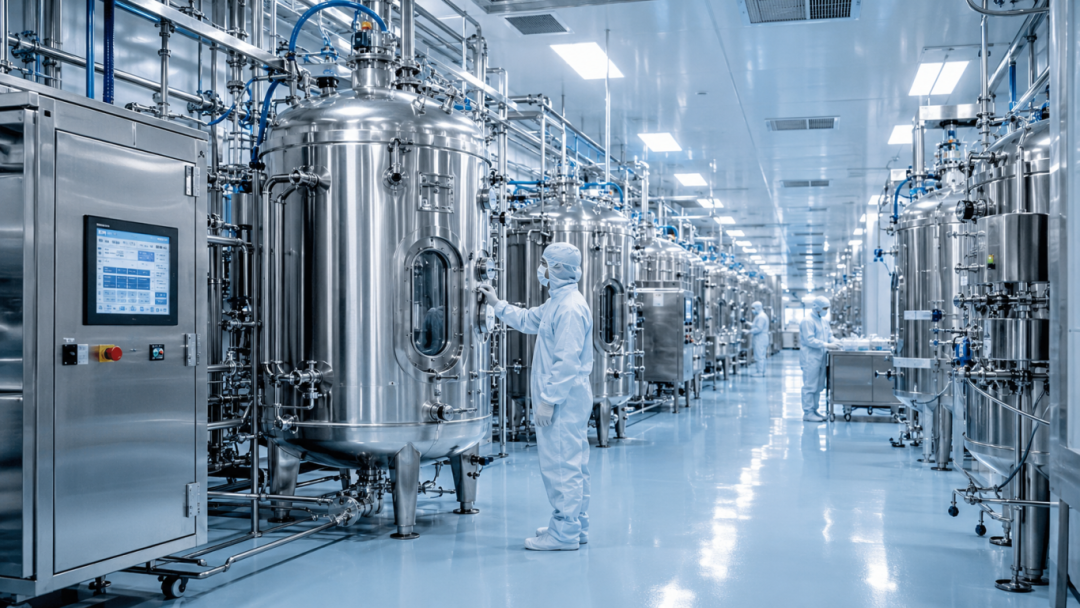
Located in Jiawang District, Xuzhou, Jiangsu Province, the Langou Phyton Plant Cell Fermentation China Superfactory has a planned total investment of RMB 3 billion and covers an area of approximately 133,000 square meters.
Twelve large-scale fermentation tanks, each with a capacity of 75,000 liters (75 tons), have already been hoisted into position, marking a major milestone in the construction of what the original article describes as the world's largest industrial plant cell fermentation facility.
Once the superfactory reaches full production capacity, its annual output of paclitaxel active pharmaceutical ingredient is projected to reach 1,500 kilograms. According to the project's estimates, this would be equivalent to preventing the harvesting of approximately 125 million eight-year-old yew trees and saving around 100,000 mu of land.
The facility's product portfolio will encompass active pharmaceutical ingredients (APIs), multi-component APIs, functional foods, health supplements, medical aesthetics products, and innovative pharmaceutical formulations.
One of the core advantages of PCF technology is the versatility and reusability of its plant cell fermentation platform. Beyond paclitaxel production, the technology can also be applied to the large-scale industrial manufacturing of active compounds derived from other rare medicinal plants.
Homoharringtonine (HHT), an alkaloid produced by plants of the genus Cephalotaxus, is associated with an FDA-approved treatment for chronic myeloid leukemia. However, Cephalotaxus plants grow slowly, and prolonged overharvesting has placed considerable pressure on natural populations. Traditional harvesting, extraction, and chemical semisynthesis processes also face limitations in production efficiency.
Leveraging its comprehensive German-derived PCF® technology platform and more than 20 years of plant cell fermentation data accumulated by Phyton, Langou Phyton has the platform capabilities to explore incorporating anticancer alkaloids such as cephalotaxine, erythraline, and homoharringtonine into plant cell fermentation production systems.
This means that following paclitaxel, Cephalotaxus-derived anticancer alkaloids could become another major development direction for the Langou Phyton PCF Superfactory. From yew trees to Cephalotaxus plants, and from paclitaxel to HHT precursors, the same German-derived green manufacturing system, replacing forest harvesting with fermentation tanks, is being developed to strengthen the resilience and security of China's anticancer pharmaceutical supply chain.
For pharmaceutical manufacturers, health supplement companies, and premium cosmetics brands, the Langou Phyton PCF Superfactory aims to deliver several key advantages:
Stable Large-Scale Production: Continuous year-round manufacturing that is not constrained by land availability, climate, or seasonal variations, with highly consistent quality across production batches.
High-Purity Ingredients: Target active compounds with concentrations significantly higher than those found in natural plants, fewer impurities, and improved purification efficiency.
Green and Traceable Manufacturing: Fully enclosed, sterile fermentation processes designed to eliminate pesticide residues and heavy metal contamination while meeting cGMP standards.
Regulatory and Supply Chain Advantages: Reduced dependence on naturally harvested rare plants, helping mitigate risks associated with resource restrictions and international trade regulations.
Flexible Production Capacity: A modular, multistage fermentation system designed to support production transitions among different ingredients, including paclitaxel, homoharringtonine precursors, rare ginsenosides, total notoginseng saponins, and ginkgolides.
We are developing a biotechnology industrialization platform centered on plant-based resources and look forward to collaborating with partners in pharmaceuticals, health and wellness, and medical aesthetics to create a collaborative ecosystem driven by new quality productive forces.
For millions of cancer patients and health-conscious consumers, Langou Phyton's mission can be understood as transforming three fundamental aspects of healthcare and biotechnology.
Transforming Access to Medicines: As the production of paclitaxel, homoharringtonine, and other pharmaceutical compounds becomes less dependent on the cultivation and harvesting of rare plants, manufacturing costs may be substantially reduced. This could create opportunities to make anticancer medicines more affordable and accessible to ordinary patients, reflecting the fundamental value of technology in serving society.
Transforming the Relationship Between Humanity and Nature: Producing one kilogram of paclitaxel would no longer have to mean the destruction of thousands of yew trees. Green manufacturing of Cephalotaxus-derived alkaloids could also help protect endangered plant populations from excessive harvesting.
Through AI-driven optimization of cell cultivation and fermentation processes, Langou Phyton aims to turn the concept of "replacing forests with fermentation tanks" into industrial reality. This represents a fundamental transformation in pharmaceutical manufacturing, moving away from intensive extraction of natural resources toward biomimetic and intelligent production.
Transforming Quality Consistency: Whether in a paclitaxel capsule, a pharmaceutical formulation containing homoharringtonine precursors, or a premium skincare product, the purity, safety, and batch-to-batch consistency of source ingredients play a fundamental role in determining the quality and reliability of the finished product.