"Using the most expensive face masks, taking the most expensive health supplements, ordering the cheapest takeout, and staying up until the latest hours." This popular internet saying vividly describes the lifestyle of many young people today.
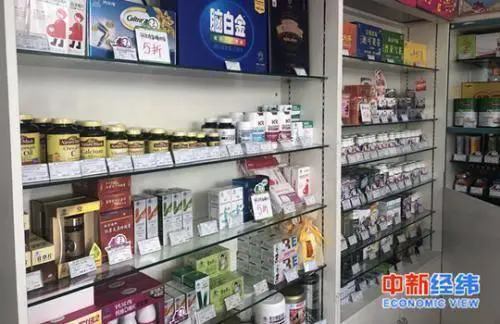
"I take health supplements every day mainly for peace of mind. A pharmacy assistant told me that nutrients from food are not easily absorbed by the human body, while those from supplements can be absorbed more effectively. That is why I started taking them."
Ms. Zhang, a 23-year-old resident of Beijing, told reporters from China News Jingwei that she takes a variety of supplements every day, including vitamin C, vitamin B, and grape seed extract. She is far from alone, as many young people have incorporated health supplements into their daily routines.
What Health Supplements Are Young People Buying?
People born in the 1980s and 1990s have become prominent participants in China's health and wellness trend. According to data from the Dingdang Health Research Institute, more than 70% of people born in these decades demonstrate an awareness of health maintenance, with those born in the 1980s accounting for 38.7%.
Among purchasers of nutritional and health supplements, people born in the 1990s account for 25.01%, while as many as 21.9% of this generation report taking supplements regularly.
Reporters from China News Jingwei observed a wide variety of health supplements with strong sales on several major Chinese e-commerce platforms. Popular brands among young consumers include Golden Partner, By-Health, Besunyen, and Conba, with prices ranging from several dozen to several hundred yuan.
The official website of a British health supplement brand describes one of its bestselling grape seed extract capsules as having natural antioxidant properties, reducing free radical production, and helping eliminate metabolic byproducts associated with aging.
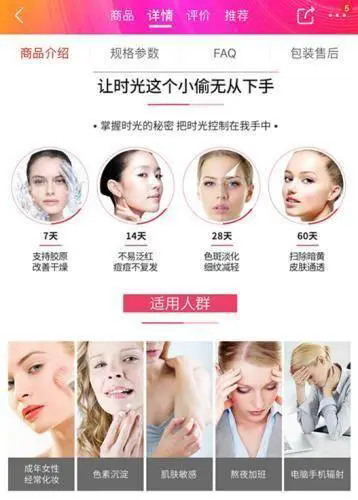
However, descriptions on third-party e-commerce platforms go even further, claiming seemingly miraculous results: improved collagen support and reduced skin dryness within seven days, reduced redness and fewer recurring breakouts within 14 days, lighter pigmentation and fine lines within 28 days, and brighter, clearer skin within 60 days. These promotional claims are primarily targeted at female consumers and are carefully designed to appeal to their skincare concerns.
According to the 2018 National Cross-Border Health Consumption Trends Report, spending on health products has steadily increased as public awareness of health and wellness continues to rise.
Consumers born in the 1980s and 1990s represent the main purchasing groups for health products, while those born after 1995 show the fastest growth in consumption. Cross-border shopping habits have gradually become established, with health foods and dietary supplements attracting the greatest attention in the imported health products market.
Traditional nourishing foods such as ready-to-eat bird's nest and honey have recorded significant sales growth. Among supplement consumers, dietary fiber and fruit-and-vegetable fiber products attract the largest number of buyers, while imported supplements from Australia, the United States, and Japan are particularly popular.
Collagen, dietary fiber, and grape seed extract are favored by beauty-conscious consumers, while Korean ginseng and peach gum have experienced particularly rapid growth in popularity.
Among people who frequently work overtime, popular imported supplements include products marketed for liver health, dietary fiber, and calcium supplementation. Lutein is especially popular among eye health supplements, while fitness enthusiasts tend to prefer muscle-building products such as whey protein.
Ms. Huang, aged 30, told China News Jingwei reporters that she took various nutritional supplements during pregnancy, including folic acid, calcium tablets, and DHA, to meet her nutritional needs.
However, subsequent medical examinations revealed elevated transaminase levels. Her doctor suggested that excessive supplement consumption might have increased the burden on her liver.
So, do health supplements actually work?
Yang Aoran, Director of the Traditional Chinese Medicine Rehabilitation Center at Beijing Rehabilitation Hospital, told the media that excessive intake of certain supplements or nutrients may damage liver and kidney function.
Some individuals may experience liver or kidney impairment, while others may develop symptoms such as vomiting and dizziness. More severe cases can involve vision loss or bleeding.
An insider from By-Health told China News Jingwei that young people can take health supplements when appropriate. However, if their daily diet is already balanced, additional supplementation is generally not recommended, as excessive intake may disrupt the body's normal physiological balance.
Why Are Young People So Enthusiastic About Health Supplements?
Mr. Ding, aged 34, is also among the growing number of health supplement consumers. Due to work-related stress, he frequently suffers from insomnia and therefore keeps melatonin supplements beside his bed.
When attending business dinners involving alcohol, he also takes several tablets marketed for liver protection. Despite these efforts, he has continued to experience a receding hairline.
Concerned about hair loss, he quickly purchased another supplement containing male hormones. His bedside table now holds five or six different bottles of supplements that he takes every day.
Ms. Zhang, mentioned earlier, explained that her main reason for taking supplements is psychological reassurance.
"For me, taking supplements is a kind of daily ritual. It reminds me to pay attention to my health and avoid staying up too late. Although I haven't noticed any obvious physical effects so far, it gives me peace of mind."
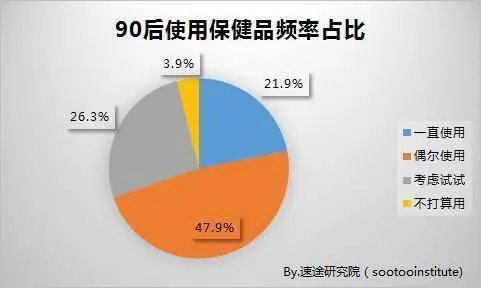
According to the Post-1990s Health and Wellness Report published by the Sutu Research Institute, 21.9% of Chinese consumers born in the 1990s use health supplements regularly, while nearly 50% take them occasionally. Only 3.9% of this generation express opposition to health supplements.
In terms of spending, 34.2% of respondents spend less than RMB 100 per month on supplements, while 32.7% spend between RMB 100 and RMB 200 per month.
Notably, among respondents spending less than RMB 100 per month, more than 70% were born in the 1980s or 1990s.
Liu Junhai, a professor at the Law School of Renmin University of China, believes that young people's enthusiasm for health supplements can be explained by several factors.
First, supplements can create a strong psychological suggestion that taking them will necessarily improve health. Second, purchasing supplements may provide a sense of social status or financial capability. More importantly, many young consumers tend to follow trends and make purchasing decisions influenced by advertising.
According to a survey of office workers conducted by Zhaopin, 29.1% of respondents believe that irregular lifestyles and habitual late nights are major causes of poor health. Others attribute their health concerns primarily to insufficient exercise and work-related stress.
Meanwhile, nearly 95% of surveyed office workers reported experiencing varying degrees of anxiety.
The Dingdang Health Research Institute believes that as public health awareness continues to increase, the growing emphasis on wellness among younger generations has become a major trend.
Consumers born in the 1980s and 1990s are increasingly upgrading their health-related spending habits, shifting their focus from treatment toward prevention. Through a growing emphasis on balanced nutrition and "eating for better health," they hope to achieve healthier lifestyles and improved overall well-being.
Source: Partially excerpted from Qilu One Point, October 20, 2019, 14:33.
Original article: "Using the Most Expensive Face Masks While Staying Up All Night: Young People Can't Stop Taking Health Supplements."